Balcony Bounty: Micro-Garden Projects for City Living

Today we’re diving into balcony micro-garden projects for apartment dwellers, turning small railings and corners into productive, beautiful sanctuaries. With clever containers, light-savvy layouts, and realistic care routines, you’ll grow herbs, greens, and compact fruiting plants while keeping neighbors happy and your mornings fragrant with possibility. We’ll share practical steps, hard-won lessons, and simple upgrades that deliver abundant harvests without clutter or chaos, so even renters can build thriving, movable, and respectful gardens that fit their daily rhythms and building rules.

Know Your Space, Grow With Confidence

Before buying seeds or planters, learn how your balcony behaves across a full day and week. Track sunlight, wind patterns, drainage, and access to water and power. Note building regulations, privacy considerations, and load limits. These observations shape smarter choices, prevent costly mistakes, and transform constraints into creative advantages, allowing you to design a reliable, comfortable, and neighbor-friendly micro-garden that actually matches your lifestyle and the realities of your unique outdoor nook.

Track the Sun and Shadows

Spend a few days mapping how sunlight moves, noting direct hours, reflected glare from glass, and shade cast by awnings or nearby buildings. Leafy greens thrive with four to six hours, while tomatoes and peppers want six to eight. A simple phone compass, photos each hour, and sticky notes can reveal surprising bright windows and sheltered corners, guiding container placement and crop choices that deliver dependable harvests without exhausting plants or you.

Measure, Weigh, and Secure

Measure your floor area, railing height, and door clearance. Wet soil is heavy, so favor lightweight mixes and containers labeled for outdoor use. Use sturdy saucers to protect surfaces and prevent drips. Anchor vertical frames with straps, brackets, or counterweight boxes, and never attach hardware without landlord approval. Knowing safe load capacity and planning stable layouts keeps your balcony peaceful, prevents accidental spills, and protects both your plants and neighbors below.

Wind, Heat, and Shelter Strategy

Balconies funnel wind and trap heat, so test airflow with a ribbon tied to the railing and check temperatures at midday. Group taller containers as gentle windbreaks, and use breathable shade cloth during heat spikes. Position delicate herbs behind sturdier tomatoes or trellised cucumbers, and keep a watering can handy near the hottest spots. Small, thoughtful adjustments create microclimates that reduce stress, boost growth, and make care routines easier in any season.

Containers and Structures That Do More With Less

Stackable and Modular Planters

Use tower planters for strawberries, leafy greens, and herbs, rotating layers weekly for even light. Modular crates with fabric grow bags allow seasonal reshuffling without heavy lifting. Add wheels to a bottom tray for easy cleaning and storm repositioning. A neighbor once copied this setup and discovered she could harvest salad for two every other day, all from a rolling tower that tucked neatly beside a café chair.

Railing and Window Boxes Done Right

Choose railing boxes that clamp securely and account for wind load. Line with coco coir to lighten weight and enhance drainage, then mix trailing thyme, compact nasturtiums, and cut-and-come-again lettuces for beauty and steady harvests. Water from the base when possible to minimize splashes below. Check building rules about overhangs, and place drip trays carefully. This simple, courteous approach keeps neighbors delighted while your balcony blossoms like a tidy streetside café.

Vertical Frames, Ladders, and Pocket Walls

If you cannot drill, use freestanding ladder shelves with bungee-secured pots. Fabric pocket walls are featherlight, perfect for mint, oregano, and strawberries; just water slowly to avoid runoff. For climbers like peas or cucumbers, lean a trellis into a weighted trough. A weekend project with a friend transformed a plain railing into a vibrant living wall, adding privacy, birdsong, and a crisp cucumber snack during post-work sunsets.

Potting Mixes That Breathe and Drain

Avoid garden soil, which compacts in containers. Use a light potting mix with perlite or pumice, plus a scoop of mature compost for life. Sprinkle worm castings around high-demand crops to support roots. Refresh top layers each season, and stir in a pinch of slow-release fertilizer. After switching to this blend, my basil stopped sulking and became a weekly pesto machine, perfuming breakfasts and lifting every quick pasta dinner.

Watering With Precision and Ease

Test moisture with a finger knuckle deep, not just the surface. Water early mornings, aiming for slow, thorough saturation. Self-watering planters reduce stress during heatwaves or travel. Group thirstier plants together and use mulch—shredded leaves, straw, or coconut husk—to curb evaporation. A simple reminder on your phone ensures consistency. When I started bottom-watering railing boxes, greens stopped wilting by lunch, and my door mat finally stayed dry.

Feeding Without Fuss or Burn

Feed lightly every two to three weeks during active growth using diluted liquid seaweed, fish emulsion, or a balanced organic formula. Alternate with compost tea for diversity. Flush containers monthly with extra water to prevent salt buildup. Watch leaves for clues: pale, slow growth suggests nitrogen; weak flowering suggests phosphorus and potassium. Once I shifted to lighter, regular feeds, my dwarf tomatoes set clusters instead of bursts-and-busts, simplifying care dramatically.

Fast Harvests From Compact Crops

Small spaces reward quick, prolific varieties. Mix reliable greens, dwarf fruiting plants, and aromatic herbs to harvest early and often. Choose cut-and-come-again lettuces, bush tomatoes, snacking peppers, and trailing strawberries. Add edible flowers for pollinators and color. Succession sow every few weeks to keep bowls filled. These choices turn limited footage into steady abundance, making weekday salads, picnic boxes, and balcony pizza nights feel delightfully effortless and fresh.

Design Delight: Comfort, Beauty, and Flow
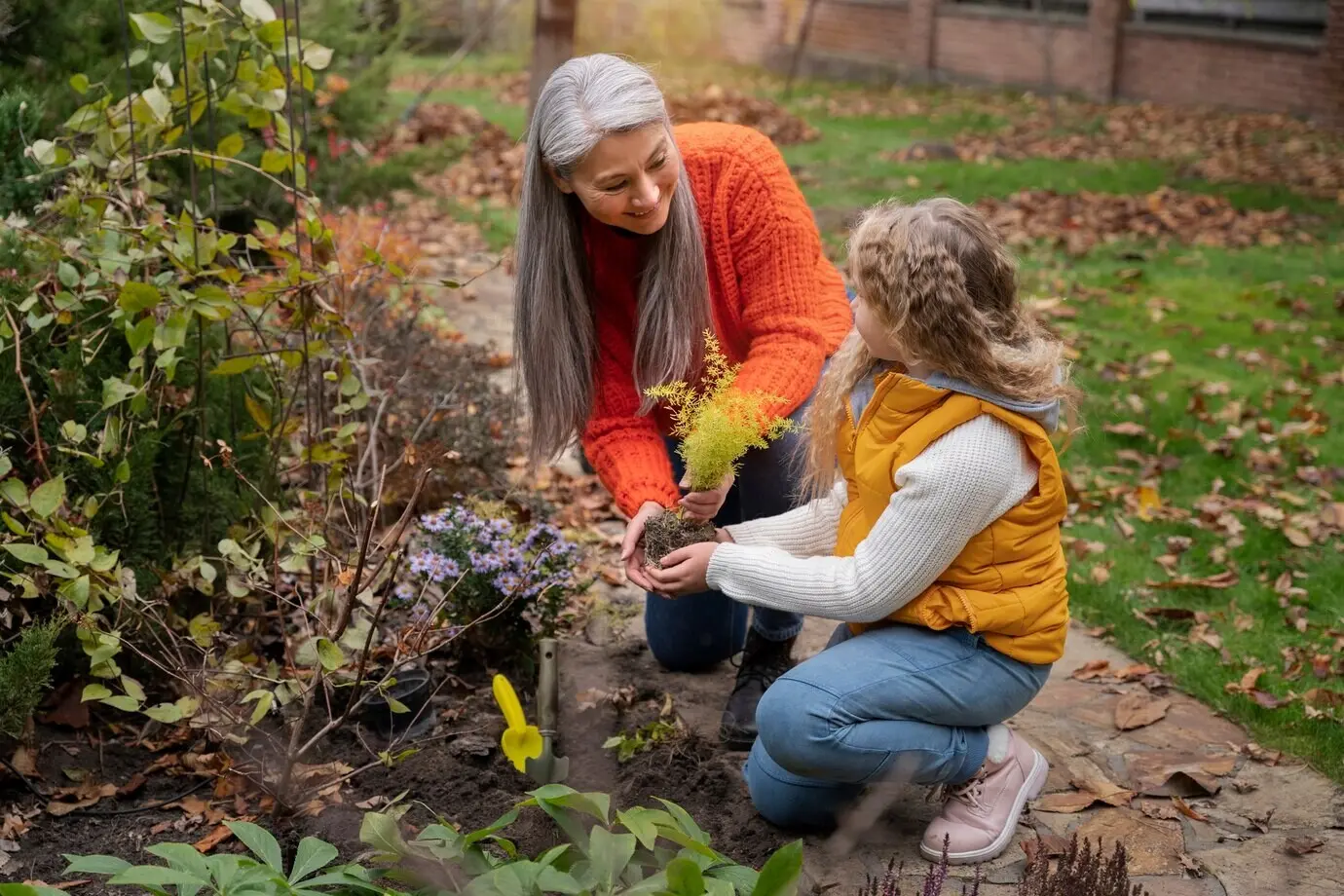
A balcony that feels welcoming gets used daily, which means plants get more attention and thrive. Create simple pathways, keep a folding stool or crate for working, and anchor the scene with one striking container. Balance heights for privacy without blocking sunlight. Add a small tray table for tea and seed packets. When the space invites you out, watering becomes a pleasure and harvests happen right on time.

All-Season Care and Problem Solving

City weather swings fast, but simple habits build resilience. Observe daily, water thoughtfully, and adjust layouts as seasons shift. Invite beneficial insects with flowers and avoid harsh chemicals. Prepare for storms with movable setups and tie-downs. Rotate crops to refresh soil biology. Keep notes, swap tips with neighbors, and celebrate small wins. These practices turn a modest balcony into a durable, evolving ecosystem that feeds curiosity, conversation, and dinner plates year-round.

Pests, Pollinators, and Natural Allies

Check leaves underside for aphids or mites, and gently rinse infestations before reaching for sprays. Companion plant with marigolds, alyssum, or calendula to invite hoverflies and bees. Encourage ladybugs by avoiding broad-spectrum chemicals. A small dish of water with pebbles helps pollinators rest. The first time I saw a bumblebee cruising my seventh-floor balcony, I realized even tiny gardens can host real visitors and meaningful, buzzing partnerships.

Heatwaves, Storms, and Cold Snaps

During heat, add shade cloth at midday, mulch generously, and water deeply in the morning. Before storms, pull lighter pots toward walls and secure trellises with straps. In shoulder seasons, use frost cloth or move sensitive plants indoors overnight. Keep a go-bag of clips, ties, and spare saucers. These small preparations transform weather surprises into manageable maintenance, protecting your investments and keeping the balcony inviting despite dramatic forecasts.

Xaxomekevelofo
Privacy Overview

This website uses cookies so that we can provide you with the best user experience possible. Cookie information is stored in your browser and performs functions such as recognising you when you return to our website and helping our team to understand which sections of the website you find most interesting and useful.